
12
Nov
Wisdom Teeth: What Parents Need to Know
Top Pediatric Dentists near Columbia Md

Wisdom Teeth: What Parents Need to Know
Wisdom teeth (third molars) typically emerge between ages 17 and 25, though their roots begin forming in the early teen years. Routine dental visits and panoramic X-rays allow pediatric dentists to track their growth early, prevent crowding or infection, and coordinate seamless referrals to an oral surgeon if extraction is needed.
As children grow into their teenage years, their smiles continue to change. One of the final stages of dental development involves wisdom teeth, also known as third molars.
At Smiles4Children, we help families across Howard County understand what to expect as wisdom teeth develop and when additional evaluation may be necessary. As a trusted choice for parents searching for the top pediatric dentists near Columbia, MD, our team focuses on proactive monitoring so your teenager stays comfortable and ahead of potential dental issues.
When Do Wisdom Teeth Develop?

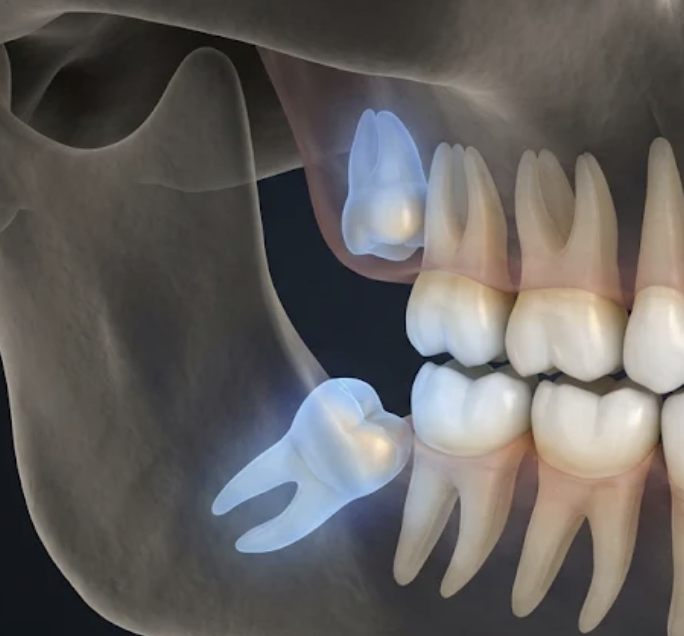
Wisdom teeth are the final set of molars to emerge, typically appearing between the ages of 17 and 25. However, their development beneath the gums begins much earlier—often between ages 12 and 15—making the teenage years a critical window to monitor their growth, angle, and position.
During routine six-month dental checkups, our team evaluates your teenager’s oral development and may recommend diagnostic X-rays when appropriate. These images give us a clear view of how third molars are forming beneath the gumline before they cause discomfort.
Why Might Wisdom Teeth Need to Be Removed?
In many cases, modern jaws simply do not have enough room for four extra molars to erupt properly. When space is limited, wisdom teeth can become impacted (trapped beneath the gums or jawbone) or grow in at an angle that presses against neighboring teeth.
Impacted or improperly positioned wisdom teeth can lead to several oral health concerns:
-
Pain or swelling in the back of the mouth or jaw
-
Gum inflammation or infection (pericoronitis) around partially erupted teeth
-
Difficulty cleaning around back molars, trapping food and bacteria
-
Tooth decay or root damage to adjacent second molars
-
Crowding or shifting of previously straightened teeth
Early evaluation helps identify these risks before symptoms start and allows your family to plan ahead.
What If My Teen Needs Their Wisdom Teeth Removed?
If X-rays or an exam reveal potential concerns with your teenager’s wisdom teeth, we may recommend a consultation with an oral and maxillofacial surgeon.
While we do not perform wisdom tooth extractions directly at Smiles4Children, we partner closely with trusted local oral surgery specialists. Working with top pediatric dentists near Columbia, MD means your family receives coordinated care—we share your teen’s diagnostic imaging and dental history directly with the specialist so they can determine the safest, most appropriate treatment plan.
Frequently Asked Questions About Teen Wisdom Teeth
At what age should my teen get X-rays for wisdom teeth?
Most teens benefit from a panoramic X-ray between ages 15 and 17 to assess the position of developing wisdom teeth and determine whether enough room exists for them to erupt safely.
Do all wisdom teeth need to be removed?
No. If wisdom teeth grow in completely upright, have enough space in the jaw, align properly with opposing teeth, and can be brushed and flossed easily, they may not require removal.
What are the early warning signs of wisdom tooth issues?
Common signs include tenderness or throbbing behind the back molars, red or swollen gums, jaw stiffness, bad breath, or an unpleasant taste near the back of the mouth.
Schedule Your Teen’s Checkup at Smiles4Children
Regular dental checkups allow us to monitor your child’s developing smile and catch potential wisdom tooth concerns early.
Have questions about your teenager’s wisdom teeth? Schedule an appointment with Smiles4Children today! We’re happy to answer your questions and help keep your child’s smile healthy through every stage of development.
At Smiles4Children, we believe in partnering with parents to navigate every stage of a child’s dental growth. Be sure to follow along on Facebook and Instagram!