
16
Apr
Keep your Oral Piercings Healthy with your your leading kids dentist near Columbia!
Keep your Oral Piercings Healthy with your your
leading kids dentist near Columbia!
At Smiles4Children, we’ve spent over 40 years helping families across Howard County build a foundation for a lifetime of healthy smiles. While we usually focus on little teeth and first visits, as our patients grow into adolescents and young adults, self-expression becomes a big part of their journey.
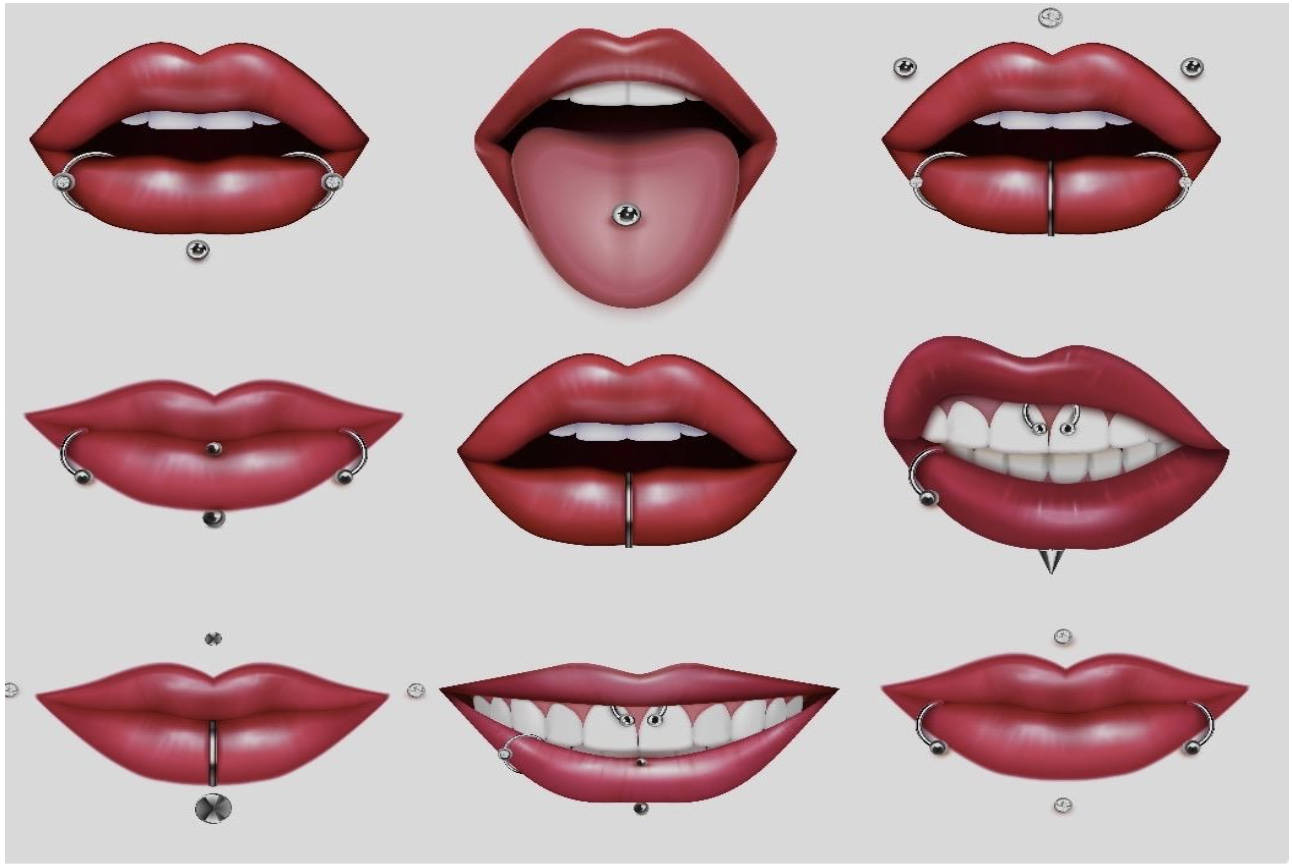
Oral piercings—whether on the tongue, lips, or cheeks—are a popular way for teens to express their individuality. However, these choices come with unique risks to dental health that we want our families to understand. If your teen is considering a piercing, or already has one, here is what you need to know to protect their smile.
Why Oral Piercings Need Extra Care
The mouth is a very different environment than an earlobe. It is highly sensitive, constantly in motion, and naturally full of bacteria. This makes oral piercings prone to complications that can affect a child’s dental development. As a leading kids dentist near Columbia, we prioritize education so our patients can make informed decisions about their oral health.
Potential Risks to Your Teen’s Smile
-
Tooth Damage: It’s common for metal jewelry to “clack” against teeth while talking or eating. Over time, this repetitive contact can lead to chipped enamel, cracked teeth, or even nerve damage that requires restorative care.
-
Gum Recession: Lip and tongue rings often rub against the delicate gum tissue. This constant irritation can cause gums to pull away, exposing the tooth roots and increasing the risk of sensitivity and decay.
-
Infections: Because the mouth is home to millions of bacteria, a new piercing is essentially an open wound in a high-risk zone. Without meticulous hygiene, infections can develop quickly and, in severe cases, spread beyond the mouth.
-
Interference with Development: Jewelry can interfere with natural speech patterns and swallowing. For our younger patients still undergoing orthodontic treatment or dental growth, a piercing can sometimes complicate their progress.
-
Plaque Buildup: Piercings provide extra nooks and crannies for food particles and plaque to hide. This can lead to bad breath and a higher risk of cavities if the jewelry isn’t kept perfectly clean.
Protecting Your Dental Health
If your child has an oral piercing, our team at Smiles4Children recommends these steps to keep their mouth healthy:
-
Maintain Excellent Hygiene: Brushing twice a day and flossing is more important than ever. We also recommend using an alcohol-free antimicrobial mouthwash.
-
Choose “Tooth-Friendly” Jewelry: Opt for smaller, high-quality biocompatible materials to minimize irritation to the gums and teeth.
-
Kick the Habits: Encourage your teen to avoid clicking the jewelry against their teeth or “playing” with it, as this is the most common cause of fractures.
-
Visit Your Dental Home: Regular checkups are essential. As your kids dentist near Columbia, we can monitor for early signs of gum recession or enamel wear before they become painful, permanent problems.
When to Give Us a Call
Please contact one of our offices in Ellicott City, Catonsville, or Eldersburg if you notice:
-
Persistent swelling, redness, or pain around the piercing.
-
Visible chips or cracks in the teeth.
-
Gums that look like they are shrinking or pulling back.
At Smiles4Children, we believe in partnering with parents to navigate every stage of a child’s dental growth. While oral piercings are a personal choice, they require a higher level of responsibility. By staying proactive and visiting your kids dentist near Columbia for routine evaluations, you can ensure your child’s smile stays bright and healthy, no matter how they choose to express themselves! Be sure to follow along on Facebook and Instagram!