
03
Dec
🦷 A Pediatric Dentist’s Guide to Teething: What to Expect and How to Help Your Little One
A Pediatric Dentist’s Guide to Teething: What to Expect and How to Help Your Little One
Finding a great kid’s dentists near Columbia maryland is the first step toward a healthy smile! As parents, we cherish every milestone our children reach, and teething is a big one! While seeing those first tiny teeth peek through is exciting, the process can sometimes be uncomfortable for your baby. At Smiles4children, we’re here to guide you through this developmental phase with confidence.
What is Teething?
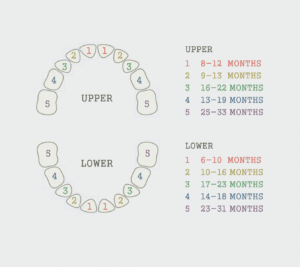
Teething is simply the natural developmental milestone during which your baby’s primary teeth (often called “baby teeth”) erupt, or break through, the gums.
-
Most babies will eventually have 20 primary teeth.
-
The timing of teething is unique to every child! Both early and late dental development can be completely normal, so don’t worry if your child is ahead or behind their friends.
-
Teething typically starts with the lower front teeth (central incisors), but the order in which teeth appear can vary.
- By the time your child is 3 years old, most will have all of their baby teeth.
👶 Common Teething Symptoms
It’s helpful to know what signs to look for so you can comfort your little one. Common teething symptoms include:
-
Fussiness or irritability
-
Increased drooling
-
Mild gum swelling and tenderness
-
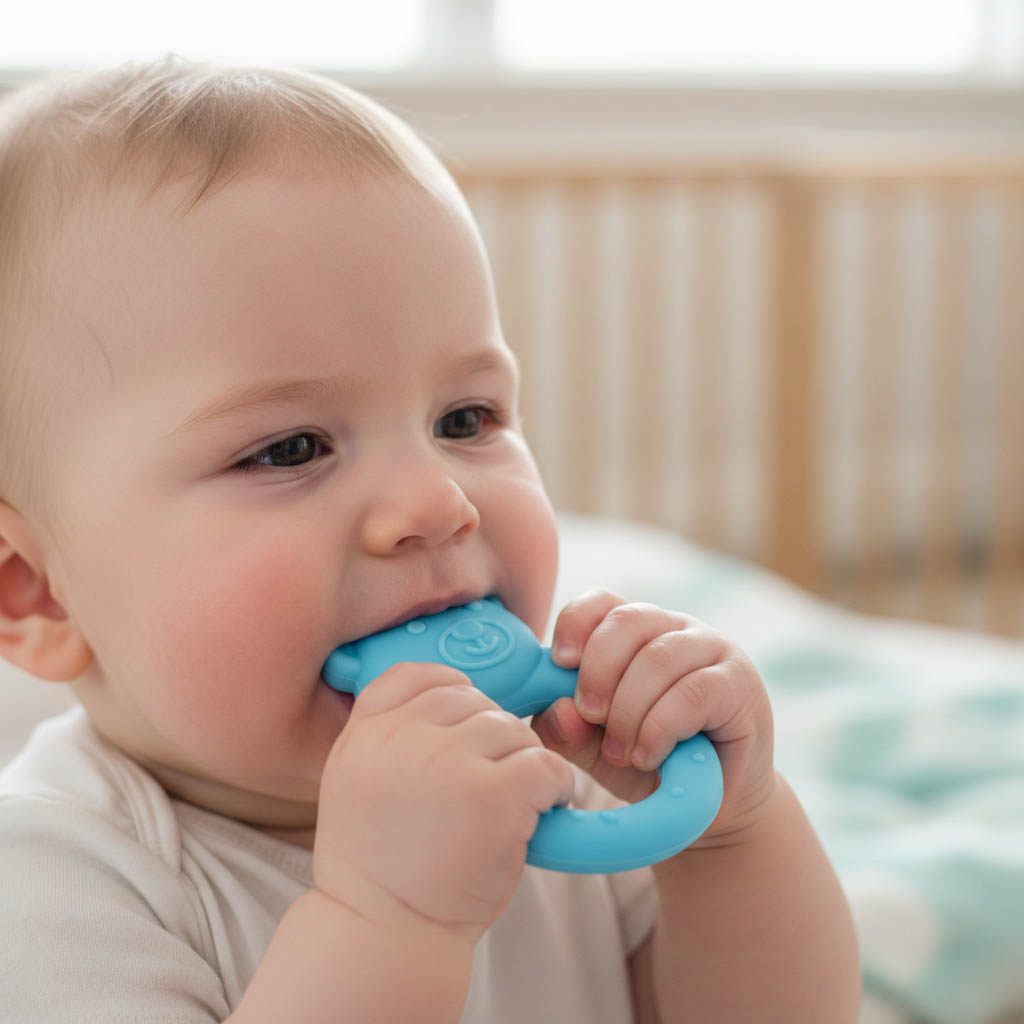
An urge to chew on toys, fingers, or teething aids
A Note on Fevers: Teething can cause a mild increase in temperature, but it should not cause a high fever. If your child has a high fever or other symptoms like vomiting or diarrhea, we recommend consulting with your Pediatrician to determine if another illness is present.
✅ Safe Ways to Soothe Discomfort
When your baby is uncomfortable, your natural instinct is to help! Here are safe and effective ways to help ease their pain:
-
A cold washcloth: Wet a clean washcloth, wring out the excess water, and chill it in the refrigerator for your baby to chew on.
-
Refrigerated mesh feeders: Use a mesh feeder to offer cold, soft fruits (appropriate for your child’s age) to chew on. The coldness and pressure can provide relief.
-
Age-appropriate teething toys: Rubber or silicone teething toys designed for babies are excellent tools.
❌ What to Avoid
While there are many products marketed for teething, some are not recommended by pediatric dentists and the FDA due to safety concerns:
-
Teething Gels: Avoid over-the-counter teething gels that contain benzocaine or lidocaine. These ingredients can be harmful to infants.
-
Teething Necklaces: These are a choking and strangulation hazard and should not be used.
-
Homeopathic Tablets: These have been found to contain inconsistent and sometimes dangerous ingredients.
📅 When to Visit Smiles4children
Teething is a great time to think about your child’s lifelong dental health! We are always here for you:
-
Questions or Concerns: If you have any questions about your child’s dental development, the order their teeth are coming in, or persistent teething discomfort, please call us.
-
First Dental Visit: The American Academy of Pediatric Dentistry recommends scheduling your child’s first dental appointment within 6 months of the first tooth erupting or no later than 12 months of age. This is a crucial step that sets us apart as dedicated kid’s dentists near columbia maryland.